The (real) shape of the Internet
Facilitator
Depending on the drawing outcomes and the knowledge level of participants, the presentation might need to be adapted (sharing more or less information).
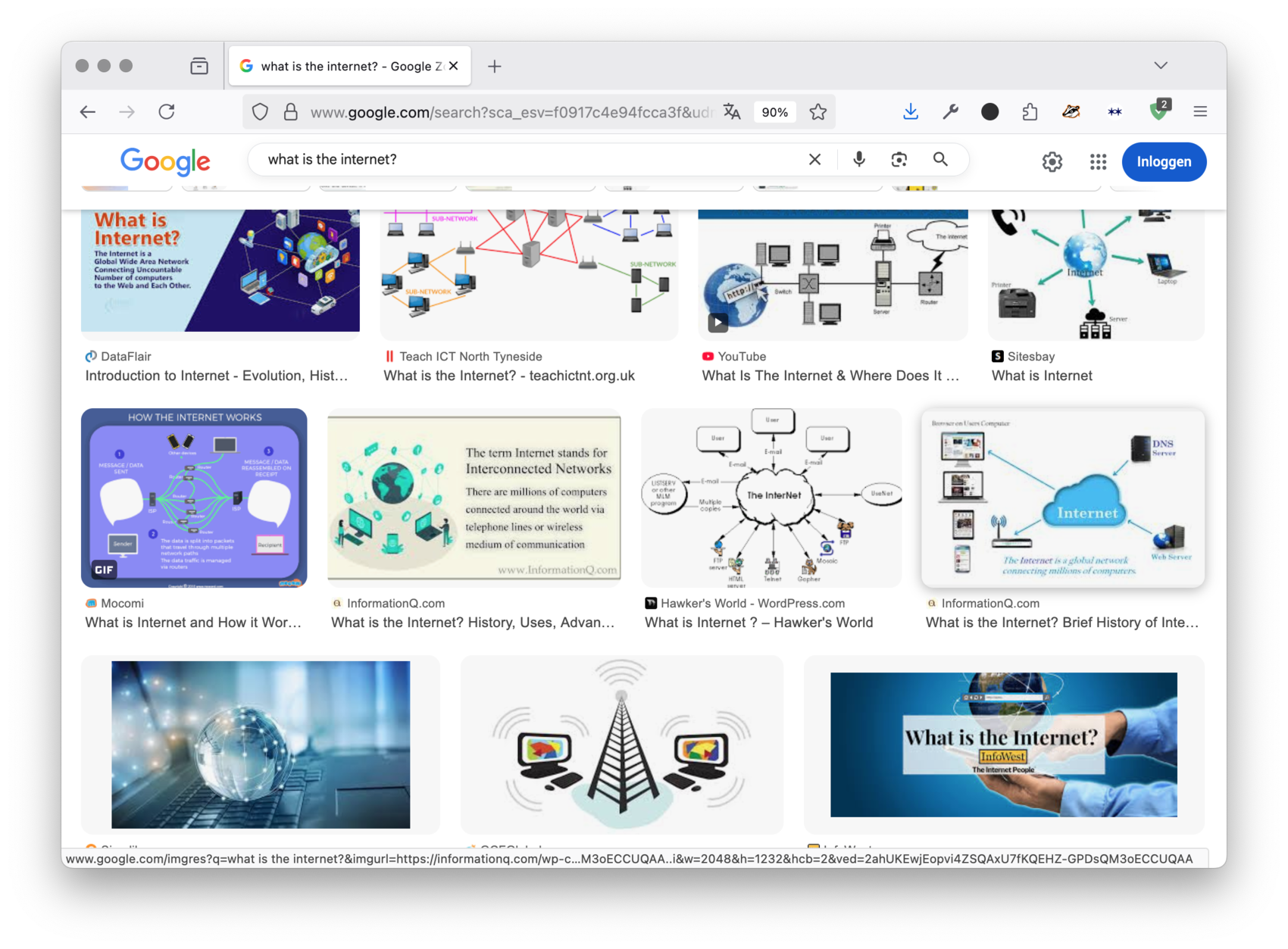
The following image series gives an introduction to what the internet really looks like, beyond the usual diagrams and icons we often see.
Facilitator
If the internet feels hard to understand, that’s because it’s mostly hidden. Hidden because it’s on purpose, not just because it’s complicated. First, because everyone has been telling us that the internet is “immaterial”, “virtual”, “remote”. Exactly like when we search online: clouds, airy drawing, graphs, etc.
Facilitator
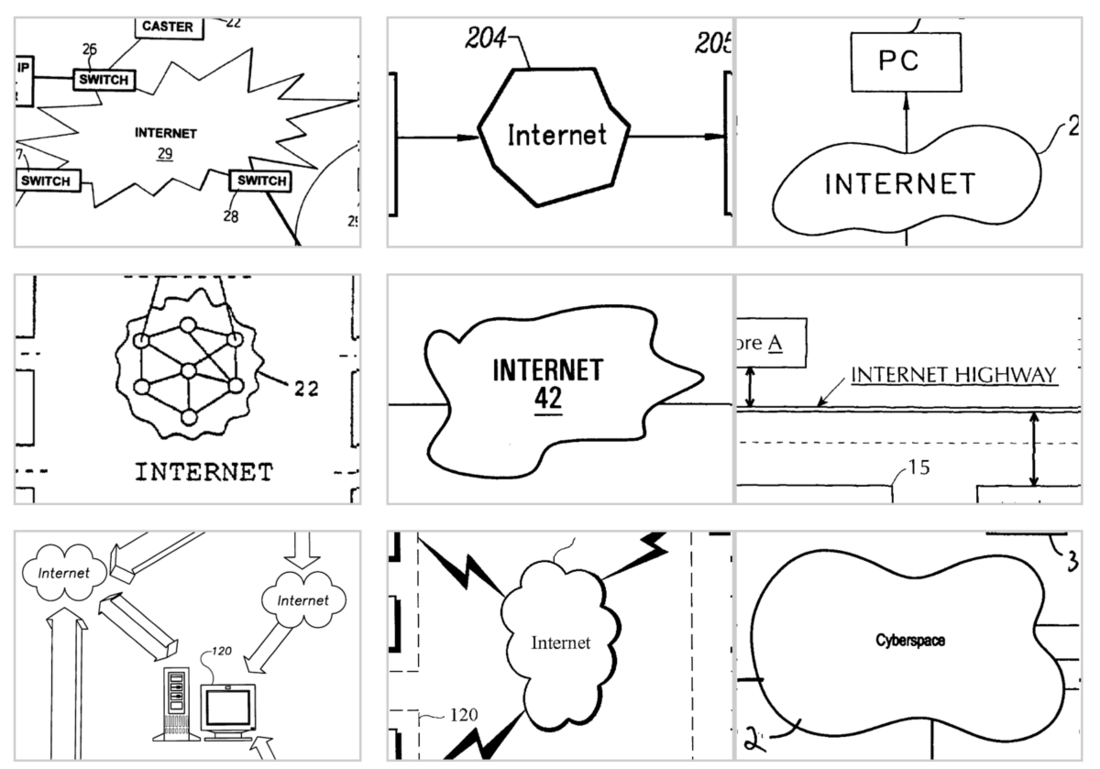
An artist called Noah Veltman summarizes this very well in this drawing collection: the Internet is apparently a “bean” or a “cloud”. But although the internet is a network (that part is true), it definitely is not “light” or “clean”, but rather it’s heavy and dirty. Let’s see why.
Facilitator
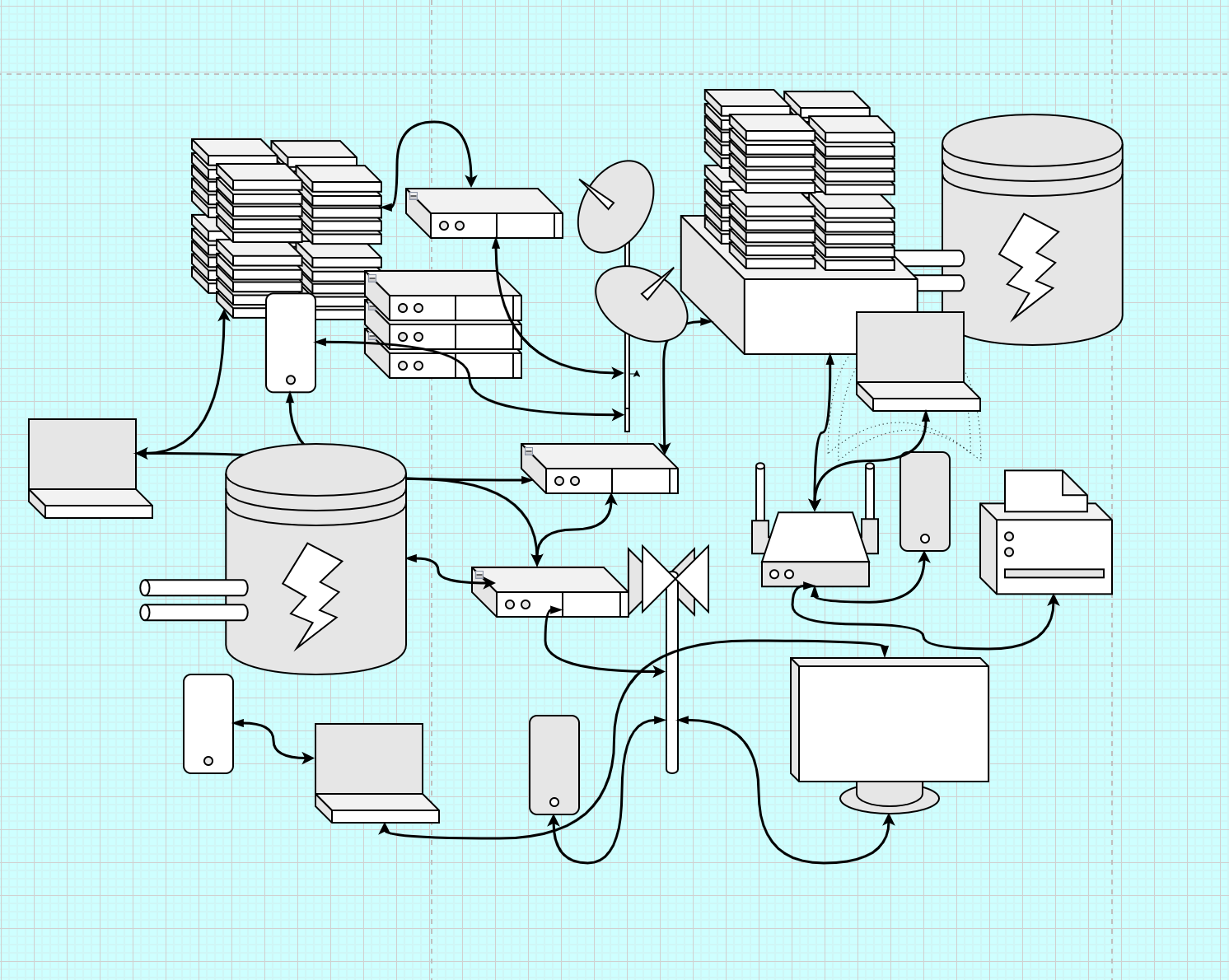
What the web really looks like: A/ Abstractly—like an this illustration— it’s a network of computer networks. Different types of computers: 1-Servers, to serve contents 2-Clients: computers retrieving content (phones, laptops, game consoles, TVs, but also bankcard machines, smart fridge, surveillance cameras, road radars, etc.)3-DNS (aka Domain name servers): to point clients to servers, but also switches, exchange points, etc. 4-All the infrastructures that supports those connections: power plants cables, antennas, etc.
Facilitator
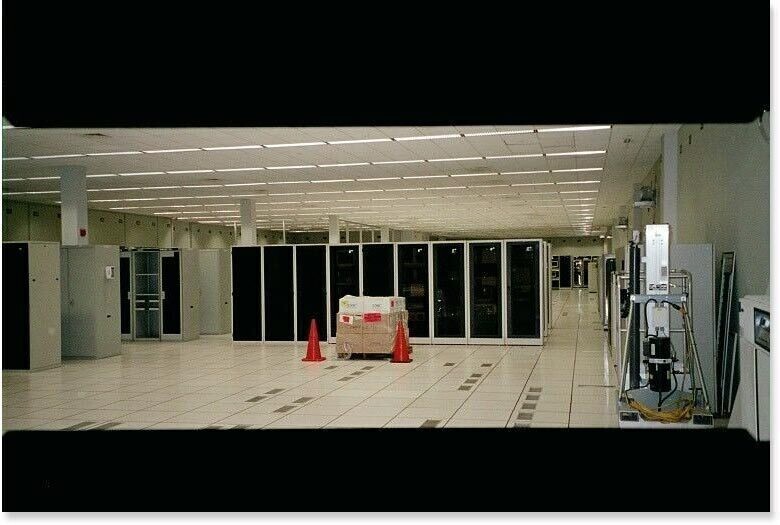
All of this infrastructures: it’s very tangible, and it’s around us. Most of these computers/servers : they live in data centers. Datacenters are buildings housing computers, equipped with cooling systems, energy systems, etc.
Facilitator
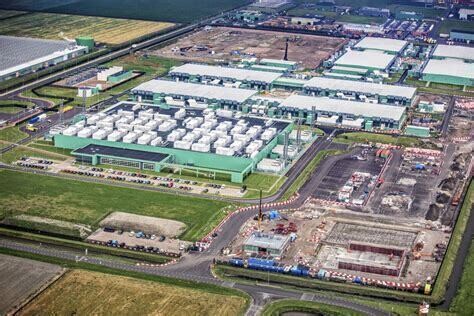
These data centers: not only in the US. Everywhere and more and more, especially since AI is becoming so important. Image above is from the Datacenter cluster north of Amsterdam, in Agriport. Neighbors to industrial farms, producing tomatoes and peppers all year long. Datacenters are as big and impactful as any other factory.
Facilitator
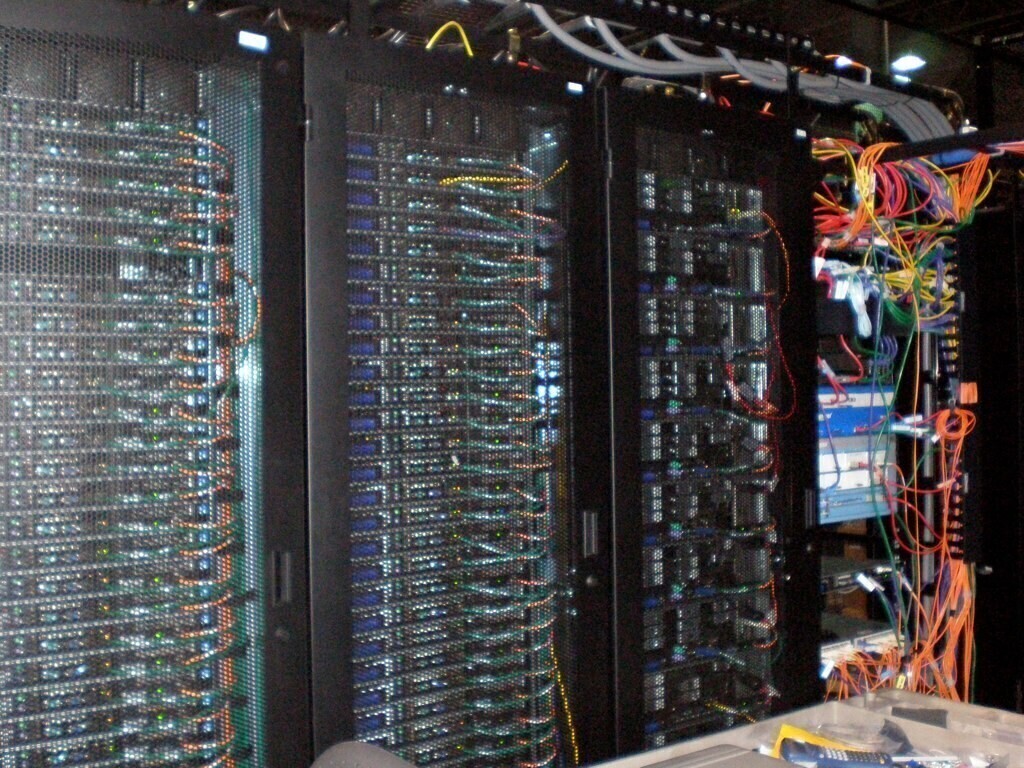
Inside: looks like that: rack servers (shelves full of computers), all connected together to add up their power/speed. Those computational processes produce a lot of heat.
Facilitator
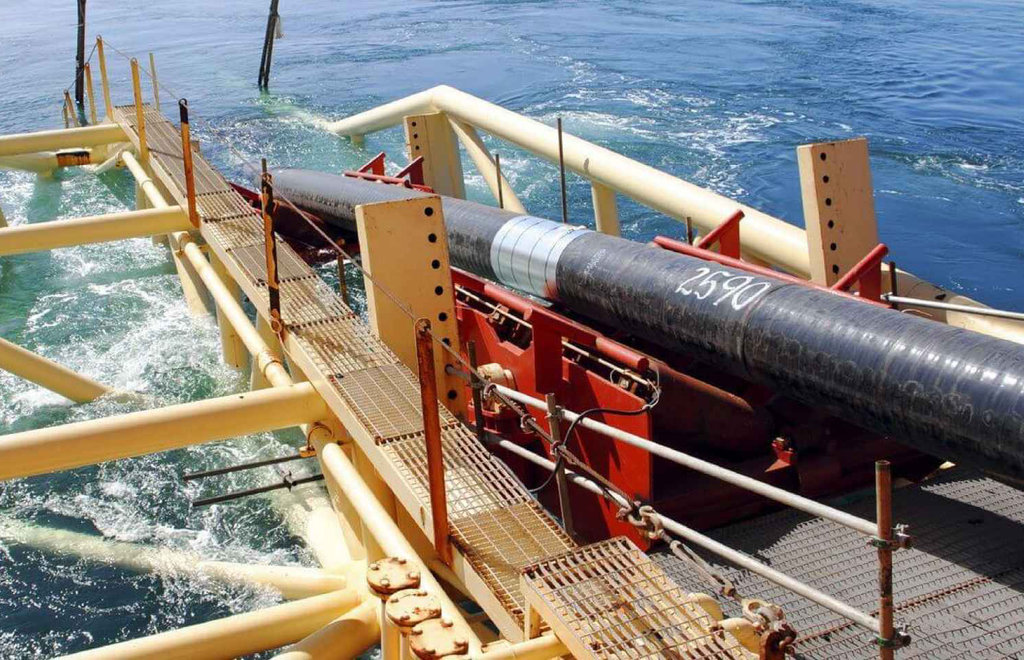
All these computers in datacenters need to be connected to our devices at home/office. Internet is also a bunch of huge cables that allow light-speed data travel under the ocean.
Facilitator
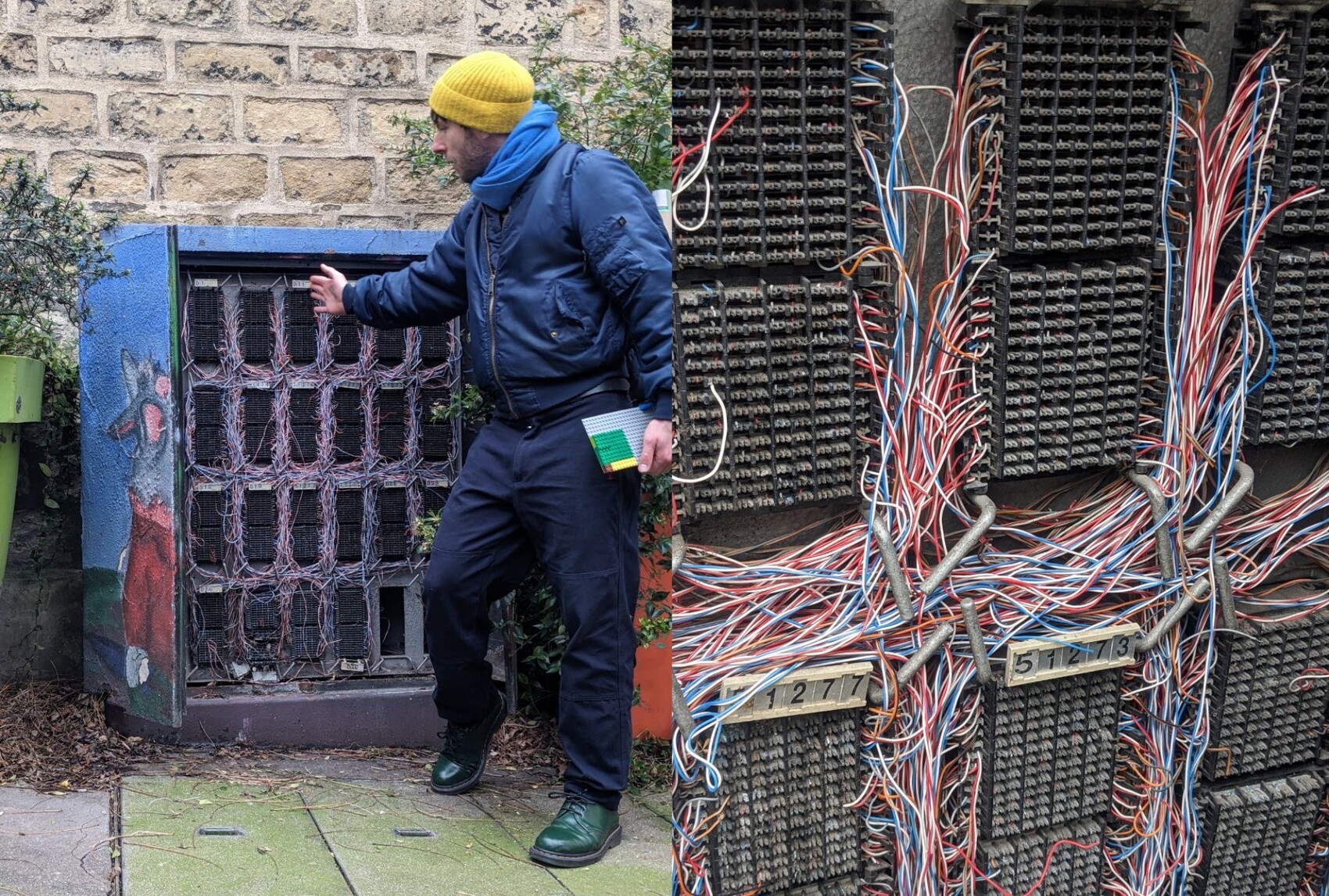
These cables are also in our cities. This is an internet exchange point cabinet in Paris, France. Each cable corresponds to 1 router, probably each in one apartment. Think how many there is just in your street/neighbourhood. Looking like this the internet feels all of a sudden very fragile too.
Facilitator
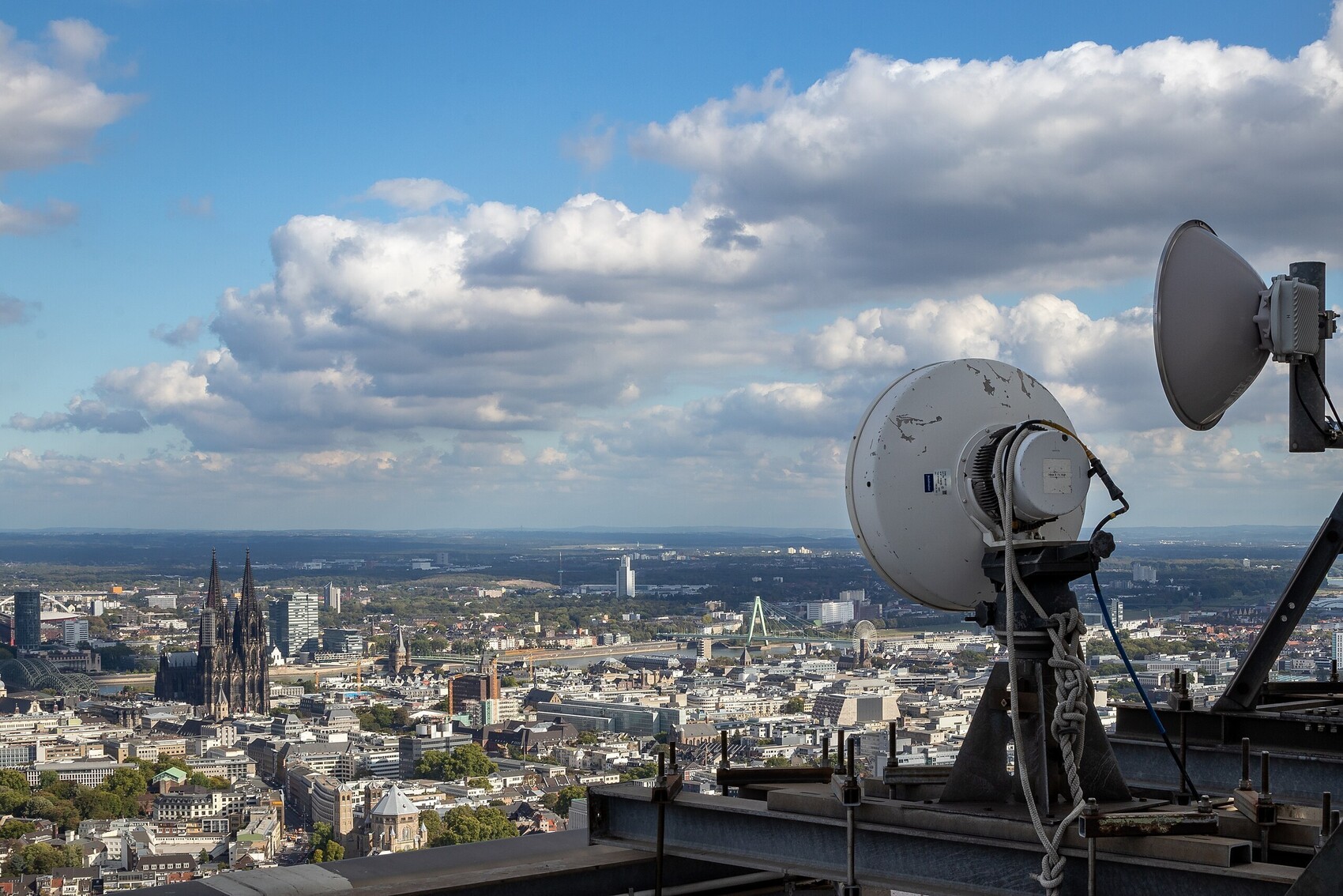
Internet is also a bunch of satellites and antennas to allow connections everywhere, by all types of devices. This infrastructure is also growing with the rise of wireless devices (autonmous cars, smart CCTV, etc.) Image: 5G antenna in Köln, Germany.
Facilitator
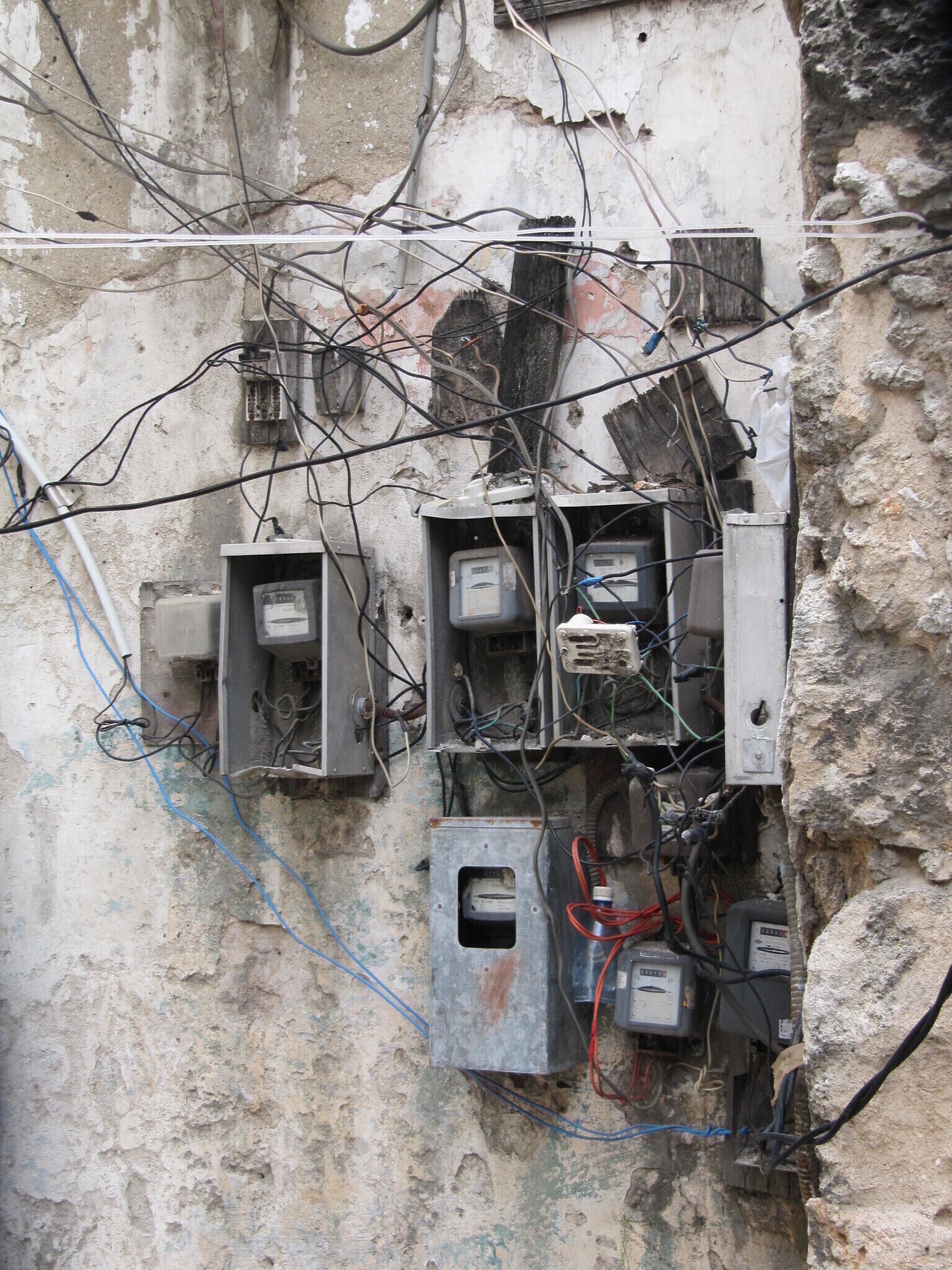
Although Internet looks mostly like the previous images for us in the Global North, it’s not necessarily the same everywhere. In Cuba, Internet is still not always available, heavily censored and low-bandwidth. There are a lot of self-made connections and DIY antennas, like the power meters on the picture above.
Facilitator
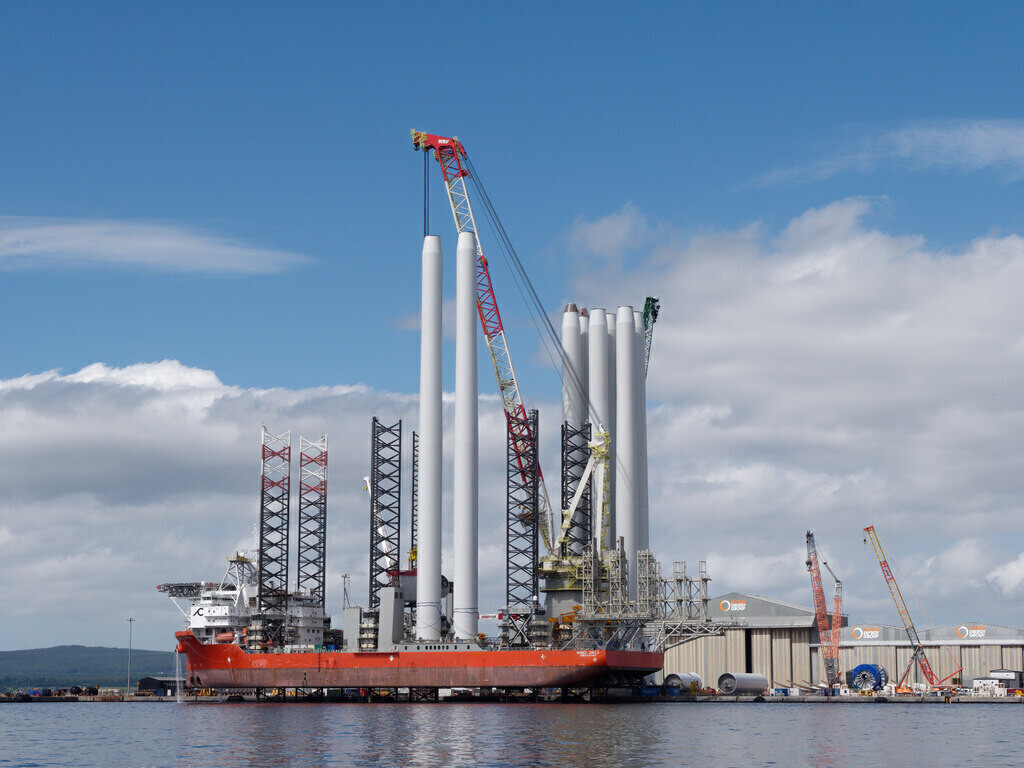
All of these data-centers, satellites, antennas, exchange points, phones, laptops and other devices: need to be powered, by real (not virtual) energy. Sometimes it’s wind-turbines like in Agriport (although it monopolizes this green energy source, taking it away from nearby villages). Sometimes, it’s powered by fossil-fuel directly: coal electric plants, etc.In any case: it’s a massive and growing energy consumption footprint. Especially since it’s always ON!
Facilitator
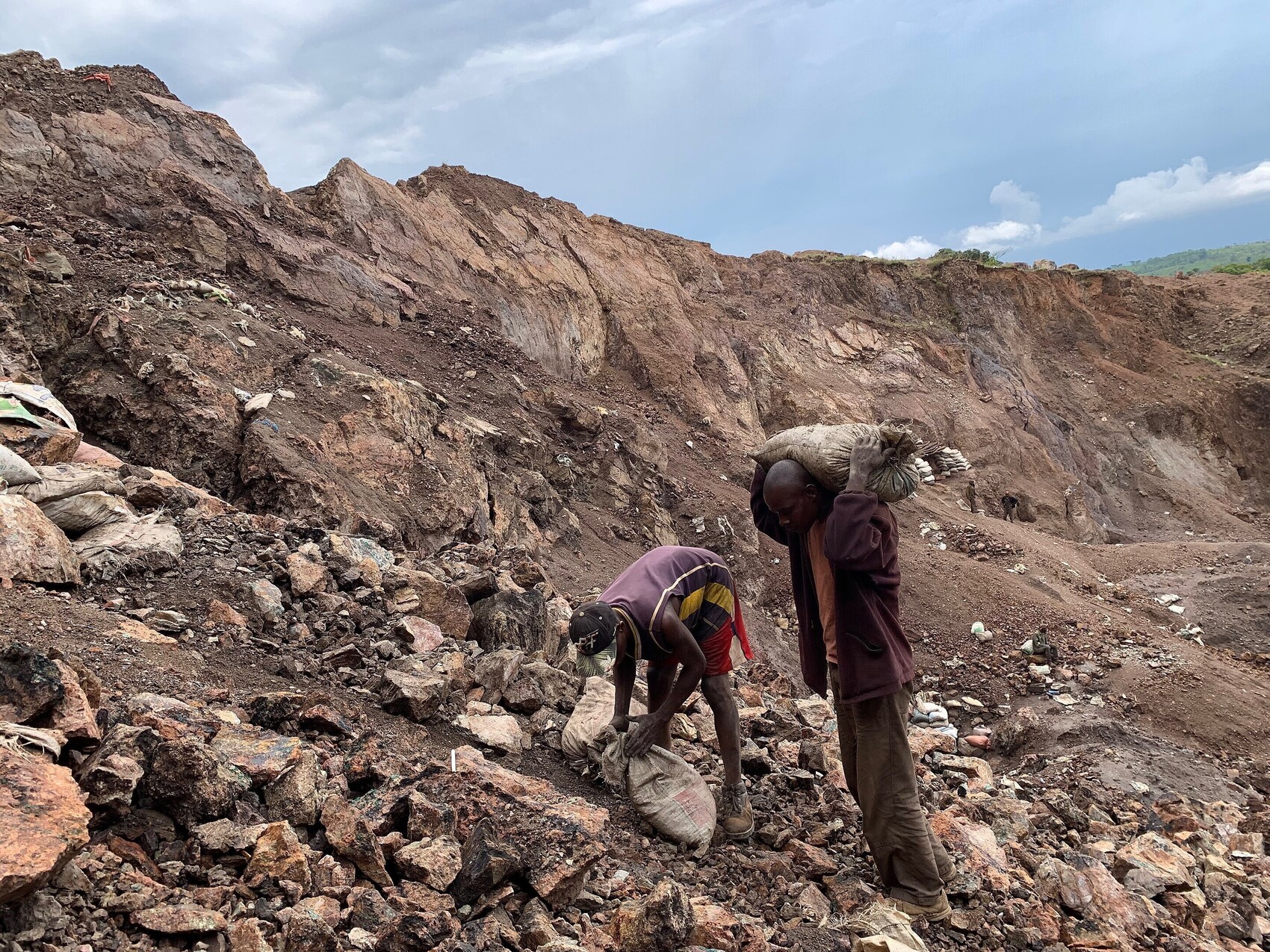
Last but not least, let’s not forget: All those computers, cables, antennas, etc. are made of very physical materials. Materials hard to get, like metals that we extract all over the globe, often in violation to human rights (Like in Congo, see image but also in Chile, Australia, Indonesia) but also with a huge pollution.
Now that we have a better images of the different types of infrastructure that compose the Internet, we ask ourselves: what precisely is a server?