What is a server?
Now that we have seen a bit what the Internet is made of, let’s zoom-in the part we are interested in today: servers
Facilitator
Before we go to the next round of images, around a server, we can do a short round of intervention from participants, with a open question: “We have heard the word “server” in the above presentation, but what do you think is a server, in your own wording?”
Facilitator
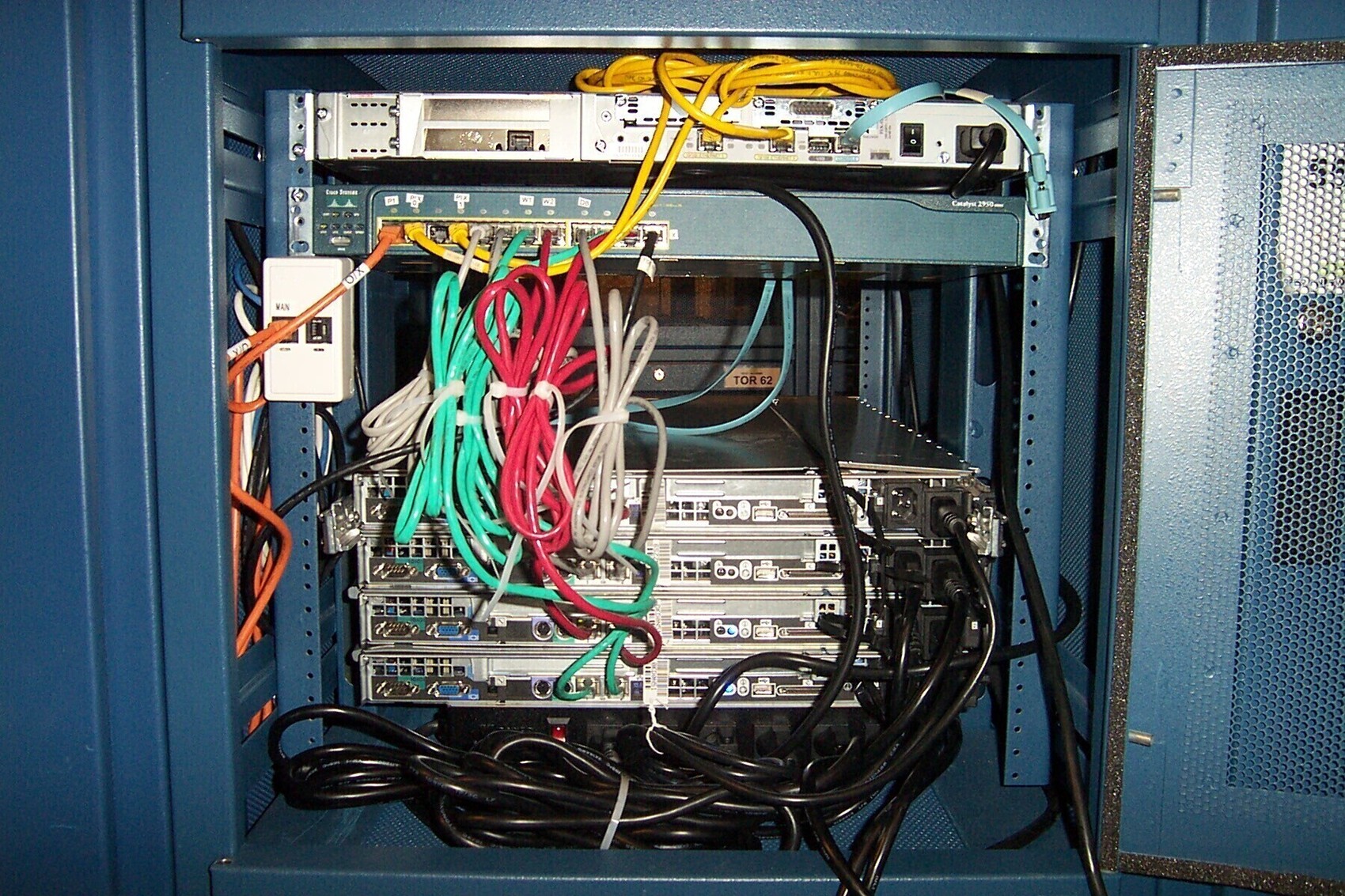
Internet is made of computers, with different shapes and functions. Materially: servers are usually computer placed on racks, without screens, connected to other computers with cables. In this image, each “rack” is a server.
Facilitator
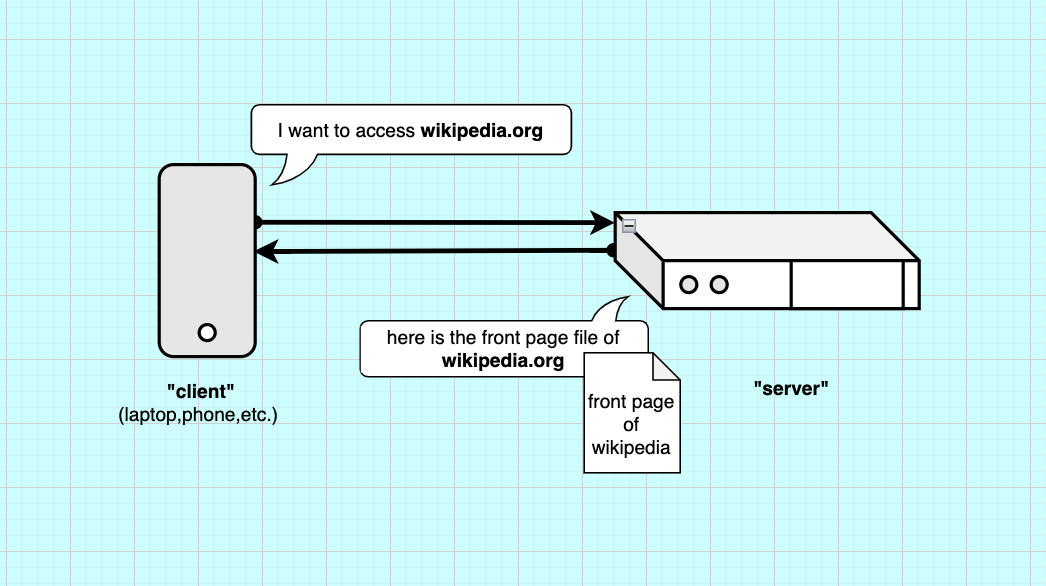
Functionally: a server does what its name implies. It serves (sends) informations. In computing we refer to client as the computers that ask to retrieve informations, files or calculations. For example here, a “client” ask (requests) Wikipedia’s server for its front page file, the server responds and send it back.

Facilitator
Essentially,a server is just a computer configured to talk to other computers. It actually doesn’t have to be in a data center, it’s mostly for speed, and energy efficiency reasons. Historically, most companies and universities were running their own servers in their IT department, hosting their own software. They also had an intranet for handling their professional files (a local network).
Facilitator
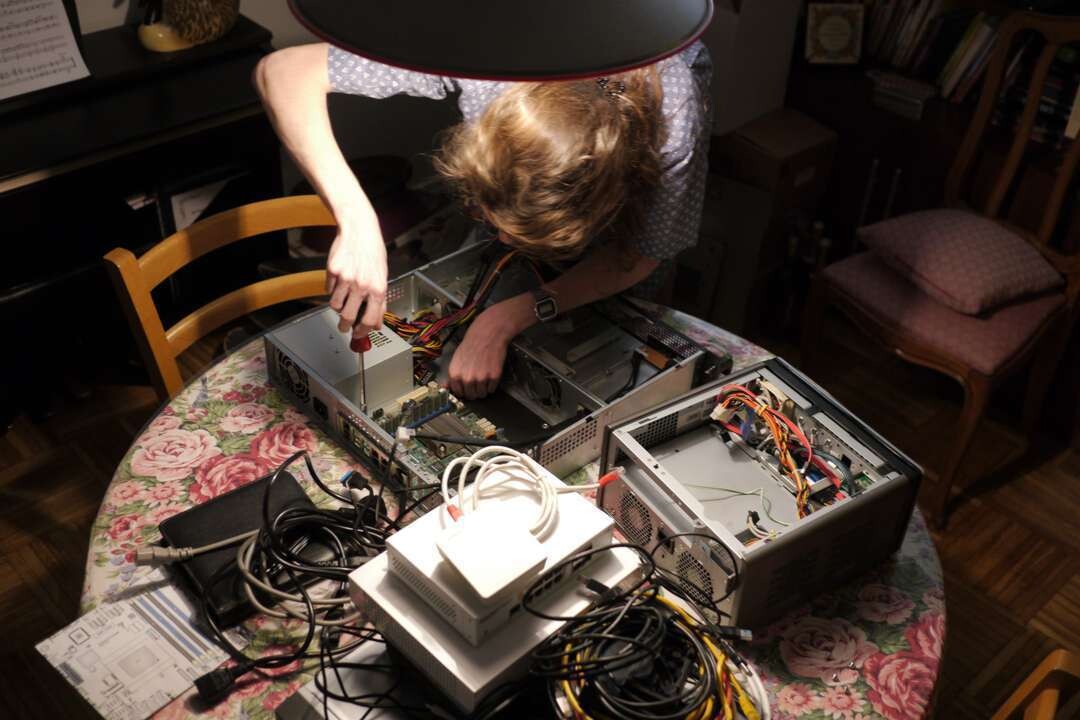
Some people actually have their own server at home. Like Club1.fr in the image. This Paris-based association hosts websites for artists in a server at one of the member’s place, in a cupboard. Here they are setting-it up in the living room. This is called self-hosting.
Facilitator
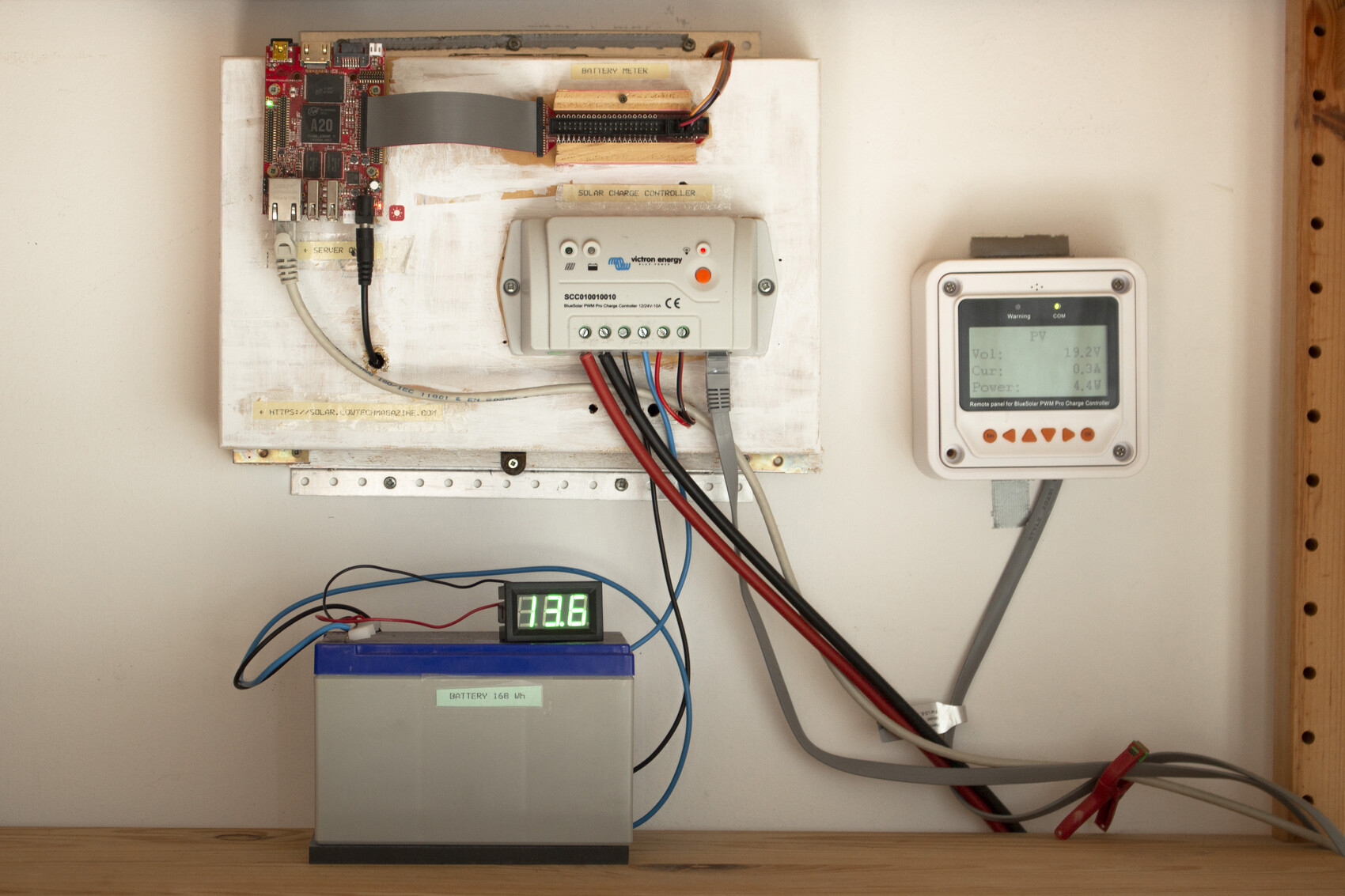
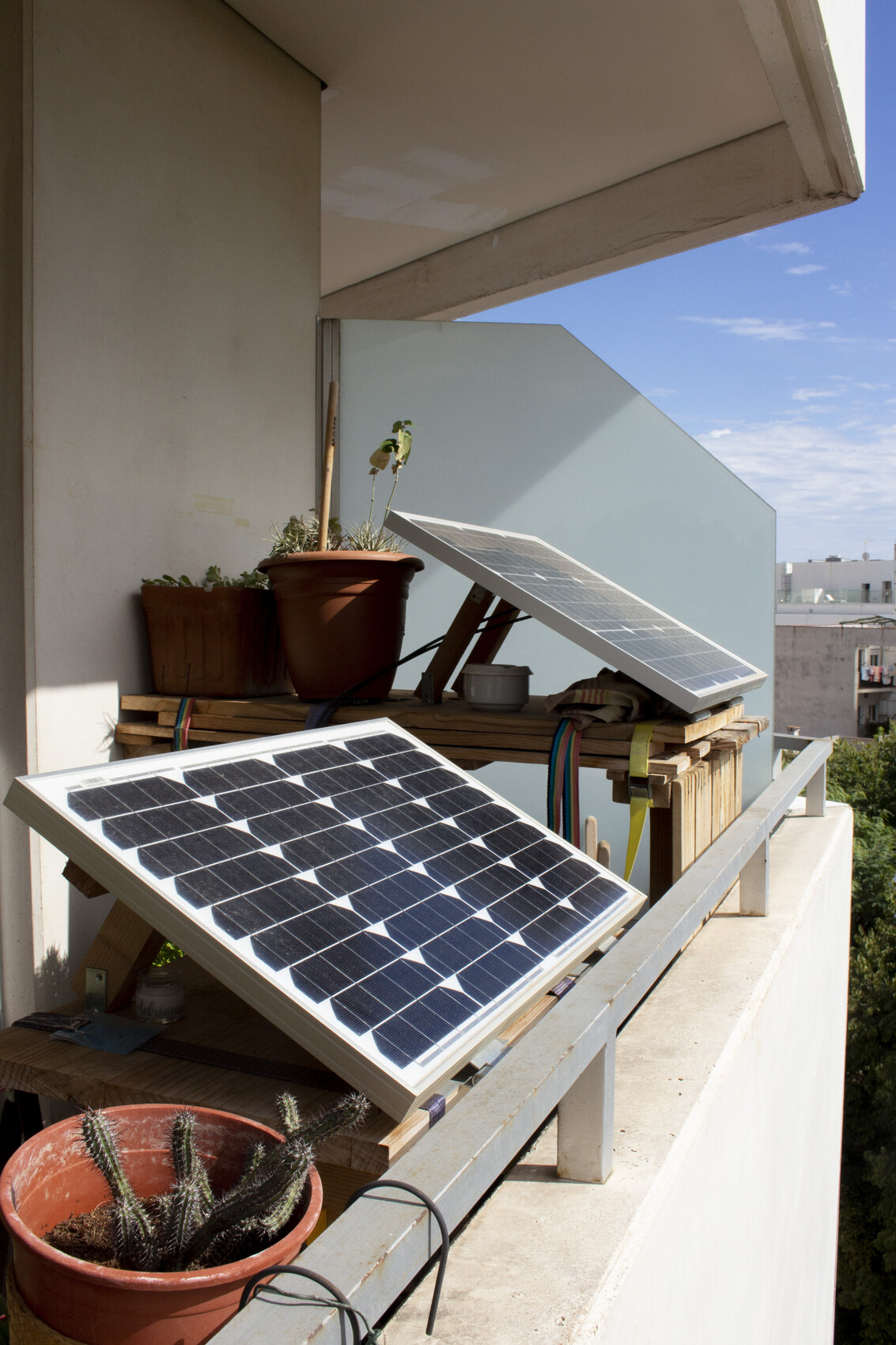
Self-hosting server is way to get more control on your data (privacy reasons), but also more control on the infrastructure. This is the server and infrastructures that powers the website of Low-tech Magazine, a techno-critical online media.
Facilitator
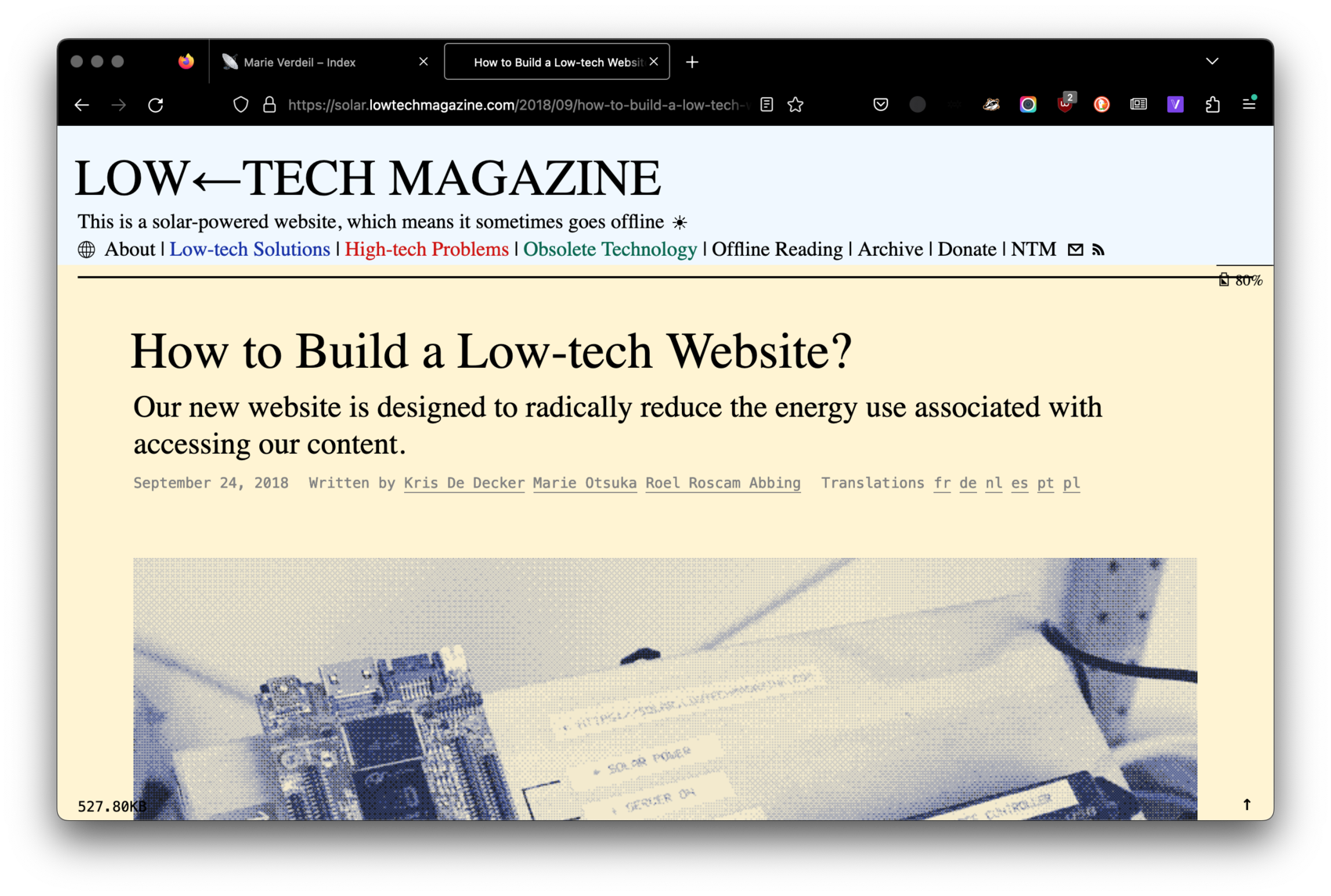
The server runs on a tiny 2W computer, powered by a single solar panel. When the weather is too bad, they chose to let it run out of battery and turn off, rather than having spare batteries and backup oil generators, like data centers have. 100% uptime also has a cost, and a pricy one.
Facilitator
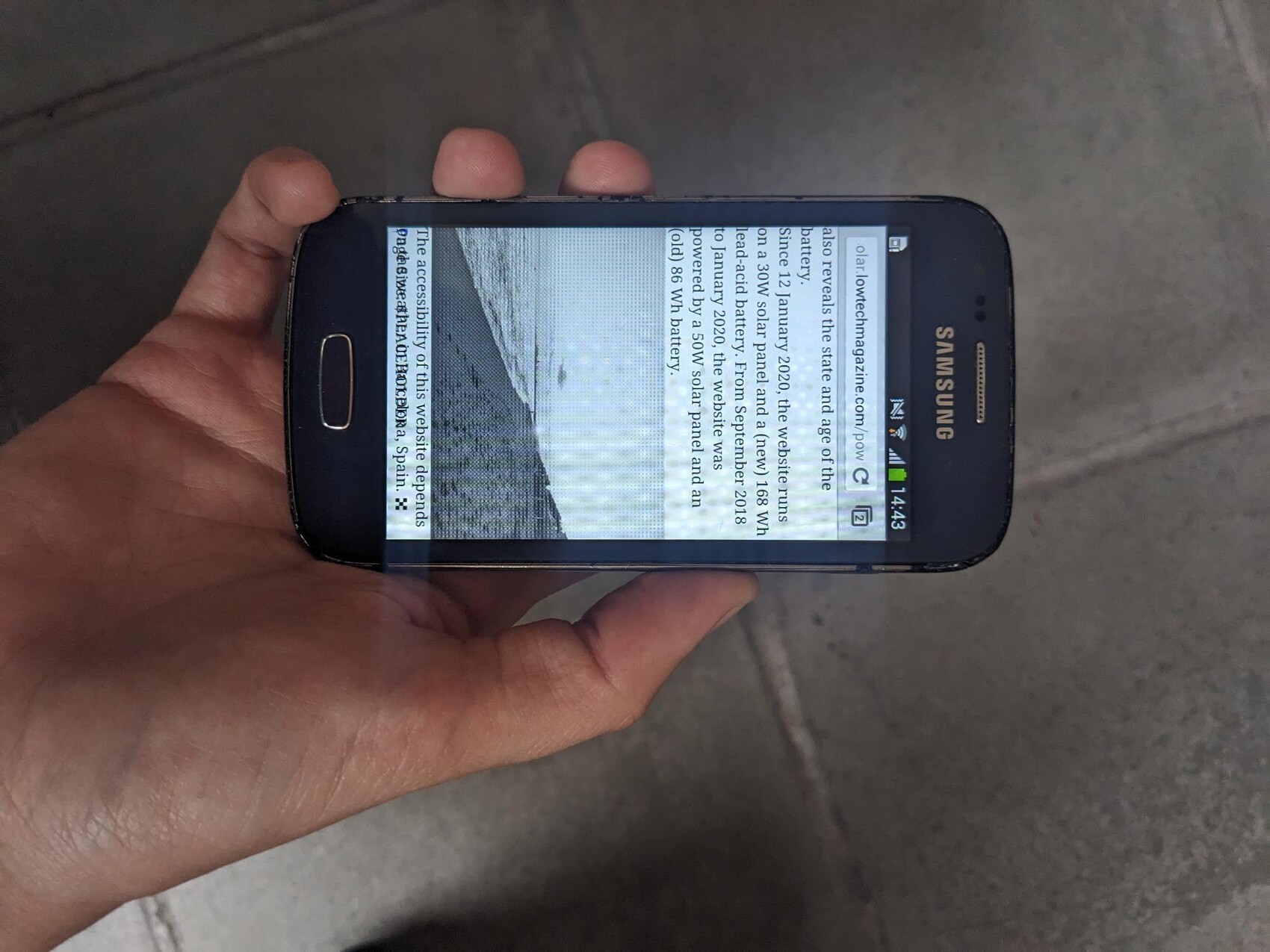
Consequently the website hosted is highly compressed, to fit on this tiny device and serve content as lightweight as possible. No videos, no tracking, dithered images.
Facilitator
Can we do something similar to have host text and images ourselves? Yes with our phones: essentially a free, powerful, battery optimised computer. This is what we will do now!